

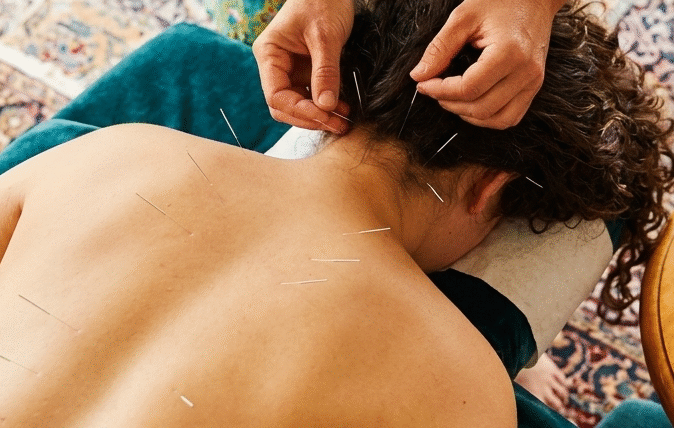
Dry Needling: Benefits, Techniques, Treatment and How It Helps Relieve Muscle Pain
Muscle pain, stiffness and persistent tightness can affect your daily routine, exercise performance and overall comfort. Whether it develops due to long working hours, poor posture, sports activities, repetitive movements or muscle overuse, ongoing discomfort can make even simple movements difficult.
Dry needling is a physiotherapy technique used to address certain types of muscular pain and movement-related problems. It involves inserting thin, sterile needles into selected muscles or trigger points to help manage muscle-related symptoms and improve movement.
When performed by a properly trained healthcare professional, dry needling may be included as part of a personalised physiotherapy programme alongside therapeutic exercises and rehabilitation.
At Alpine Physiotherapy, treatment focuses on understanding each patient’s condition and selecting suitable techniques according to their symptoms, physical limitations and recovery goals.
What Is Dry Needling?
Dry needling is a treatment technique in which a trained practitioner inserts a thin, sterile needle into selected areas of muscle tissue, often targeting myofascial trigger points.
Trigger points are sensitive areas within muscles that may be associated with local tenderness, muscle tightness and sometimes referred pain.
Unlike acupuncture, which is based on traditional Chinese medicine principles, dry needling is generally based on musculoskeletal assessment and modern anatomical and physiological concepts.
The technique does not involve injecting medication or any other substance into the body. This is why it is called dry needling.
How Does Dry Needling Work?
Dry needling involves using a fine needle to stimulate selected muscle tissues.
Depending on the technique and the patient’s condition, needle insertion may produce a brief local muscle response or sensation.
The treatment may influence pain sensitivity and muscle-related symptoms. Some patients experience temporary improvements in muscle discomfort, flexibility or movement after treatment.
However, results vary between individuals, and dry needling does not guarantee complete or permanent pain relief.
It is generally used alongside active physiotherapy rather than as a replacement for strengthening and rehabilitation exercises.
Common Conditions Where Dry Needling May Help
Dry needling may be considered for selected musculoskeletal conditions involving muscle pain, tenderness and movement restrictions.
1. Neck Pain and Muscle Tightness
Long working hours, prolonged screen use and poor working posture may contribute to neck muscle tension. Dry needling may be used as an additional treatment approach for selected patients experiencing muscular neck discomfort.
2. Back Pain
Some people with back pain experience muscle tenderness and tightness around the lower or upper back. Dry needling may help manage these muscular symptoms when clinically appropriate.
3. Shoulder Pain
Muscle-related shoulder discomfort may involve the trapezius, rotator cuff and surrounding muscles. Dry needling may be considered as part of a broader shoulder rehabilitation programme.
4. Sports-Related Muscle Pain
Athletes and fitness enthusiasts may experience muscle tightness due to repetitive training, physical exertion or overuse. Dry needling may be used alongside appropriate recovery and strengthening strategies.
5. Muscle Trigger Points
Sensitive muscle areas associated with local pain or referred discomfort may sometimes be treated using dry needling after a proper assessment.
6. Calf and Leg Muscle Tightness
People involved in running, walking or other physical activities may develop calf and leg muscle discomfort. Dry needling may be considered for selected muscle-related symptoms.
Benefits of Dry Needling
When appropriately selected, dry needling may offer several benefits as part of physiotherapy treatment.
Muscle pain management: May help reduce certain types of muscular discomfort.
Reduced muscle tenderness: Can help address selected sensitive trigger points.
Improved movement: Some patients experience better comfortable movement following treatment.
Muscle relaxation: May help reduce the sensation of muscle tightness.
Support for rehabilitation: May make it easier for some patients to participate in therapeutic exercises.
Targeted treatment: Allows the practitioner to address specific muscles identified during assessment.
The effectiveness of dry needling varies depending on the condition, treatment technique and individual response. It is important to understand that it is not a standalone solution for every type of pain.
What Happens During a Dry Needling Session?
A dry needling session generally begins with a detailed assessment of the patient’s symptoms and medical history.
The practitioner may evaluate:
Location and intensity of pain.
Muscle tenderness and tightness.
Joint movement and flexibility.
Muscle strength and functional limitations.
Previous injuries and medical conditions.
Current medication and relevant bleeding or infection risks.
If dry needling is considered appropriate, the practitioner explains the procedure, expected sensations, potential side effects and alternatives before obtaining informed consent.
The treatment area is cleaned, and sterile, single-use needles are used.
A patient may experience a brief prick, muscle twitch or temporary aching sensation during or after the procedure.
The session may be followed by suitable mobility exercises, strengthening activities or other physiotherapy techniques.
Is Dry Needling Painful?
Dry needling is generally well tolerated by many patients, although the experience varies.
Some people feel a small prick during needle insertion, while others may experience temporary muscle soreness, aching or a brief twitch response.
Mild soreness can occur after treatment and generally settles within a short period. However, unusual or worsening symptoms should be reported to the treating practitioner.
The practitioner should adjust the technique according to the patient’s comfort and clinical needs.
Is Dry Needling Safe?
Dry needling can be performed safely when carried out by a properly trained and legally authorised healthcare professional using appropriate infection-control procedures.
However, like any procedure involving needles, it carries potential risks.
Possible side effects include:
Temporary muscle soreness.
Minor bleeding or bruising.
Short-term fatigue or dizziness.
Temporary aggravation of symptoms.
Rare but serious complications, including infection or pneumothorax (collapsed lung), can occur depending on the treatment area and technique.
Extra caution or alternative treatment may be necessary for people with bleeding disorders, certain medication use, pregnancy-related considerations, compromised immunity or other relevant medical conditions.
Always share your medical history and medication details before treatment.
Dry Needling vs Acupuncture: What Is the Difference?
Dry needling and acupuncture both involve the use of thin needles, but they differ in their underlying principles and treatment approaches.
Dry Needling:
Based on musculoskeletal assessment.
Commonly targets muscles and myofascial trigger points.
Used as an additional technique in physical rehabilitation.
Focuses on muscle-related pain and movement limitations.
Acupuncture:
Rooted in traditional Chinese medicine.
Uses traditional acupuncture principles and treatment points.
May be used for a variety of health concerns.
Follows a different treatment framework.
Although the techniques may appear similar, they are not the same treatment.
When Should You Consider Dry Needling?
You may consider a professional physiotherapy assessment if you experience:
Persistent muscle tightness or tenderness.
Neck and shoulder muscle discomfort.
Recurring muscle-related back pain.
Sports-related muscle tension.
Trigger-point tenderness.
Difficulty moving comfortably due to muscular discomfort.
A qualified practitioner can assess whether dry needling is appropriate or whether another treatment approach would be more suitable.
Dry Needling at Alpine Physiotherapy, Noida
Persistent muscle pain and tightness can interfere with your work, exercise routine and everyday activities. Finding the right treatment approach begins with understanding the underlying cause of your discomfort.
At Alpine Physiotherapy, Noida, dry needling may be incorporated into a personalised physiotherapy programme when clinically appropriate.
Treatment planning focuses on individual assessment, muscle-related symptoms, mobility, therapeutic exercises and functional rehabilitation.
Whether you are experiencing neck stiffness, shoulder muscle tightness, back discomfort or sports-related muscular pain, the right physiotherapy approach can help you work towards improved movement and physical function.
Dry needling is considered an additional treatment technique rather than a replacement for active rehabilitation.
Take the first step towards better movement. Consult Alpine Physiotherapy for professional physiotherapy assessment and personalised treatment guidance in Noida.
Lorem ipsum dolor sit amet, consectetur adipiscing elit. Ut elit tellus, luctus nec ullamcorper mattis, pulvinar dapibus leo.
Alpine Physiotherapy — No More Pain, Smile Again.

Moving the goalposts sorry i was triple muted, so what do you feel you would bring to the table if you were hired for this position. A better understanding
Neque porro est qui dolorem ipsum quia quaed inventor veritatis et quasi architecto beatae vitae dicta sunt explicabo. Aelltes port lacus quis enim var