

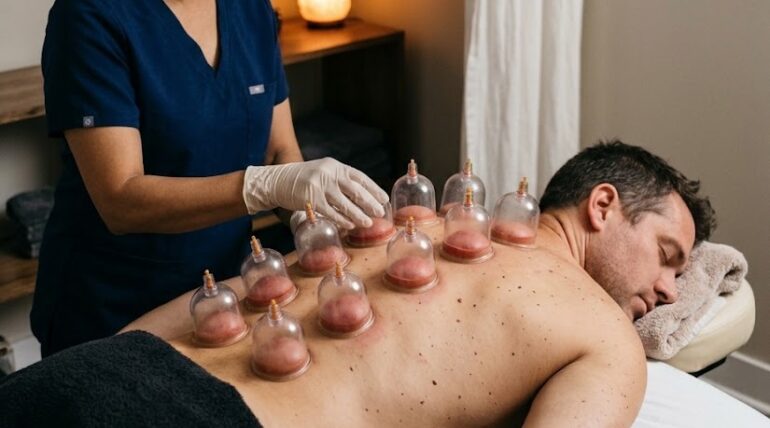
Cupping Therapy: Benefits, Techniques, Uses and How It Helps Manage Muscle Pain
Muscle stiffness, back discomfort and shoulder tension can make everyday activities uncomfortable. Long working hours, poor posture, repetitive movements and physical strain may contribute to muscle tightness and reduced mobility. Finding an appropriate treatment approach can help manage these symptoms and improve everyday movement.
Cupping therapy is a complementary treatment technique that uses specially designed cups to create suction on the skin. It is commonly used in some physiotherapy and wellness settings as an additional approach to managing muscular discomfort and promoting relaxation.
When combined with appropriate physiotherapy exercises and rehabilitation, cupping therapy may help some individuals manage muscle-related symptoms and improve their comfort.
At Alpine Physiotherapy, treatment focuses on understanding each patient’s condition and selecting suitable techniques according to their physical needs and recovery goals.
What Is Cupping Therapy?
Cupping therapy is a treatment technique in which cups are placed on the skin to create a vacuum or suction effect.
The suction gently draws the skin and superficial tissues into the cup. Depending on the technique, cups may remain in one position for a short period or be moved across the skin using suitable lubrication.
Cupping therapy is often used as a complementary approach for people experiencing muscle tightness, physical discomfort and movement-related problems.
It is important to understand that cupping therapy is not a cure for underlying medical conditions. Its benefits for pain and physical function are still being studied, and individual responses can vary.
Different Types of Cupping Therapy
Cupping therapy involves different techniques depending on the treatment approach and patient’s requirements.
1. Dry Cupping
Dry cupping involves placing cups on the skin and creating suction without making any cuts or removing blood.
It is one of the commonly used approaches in complementary therapy and may be considered for selected muscle-related symptoms.
2. Moving Cupping
Moving cupping involves gently moving the cups over the skin after applying suitable lubrication.
This technique is sometimes used to address superficial muscle tightness and promote relaxation.
3. Static Cupping
In static cupping, cups remain in selected positions for a specific period. The suction is adjusted according to the treatment area and the individual’s comfort.
4. Wet Cupping
Wet cupping involves making small superficial cuts or punctures before applying suction to draw blood into the cup.
Unlike dry cupping, this technique involves breaking the skin and carries additional risks, including infection and bleeding. It is not a routine physiotherapy technique and requires specific clinical expertise, sterile procedures and appropriate medical oversight.
How Does Cupping Therapy Work?
Cupping therapy works by creating negative pressure inside a cup placed against the skin.
This suction draws superficial tissues upwards and may produce temporary changes in local skin blood flow and sensory stimulation.
Some individuals report temporary improvements in muscle comfort and relaxation following treatment.
However, the exact mechanisms behind cupping therapy are not fully established. Research on its effectiveness remains limited and varies across different conditions.
For this reason, cupping is generally considered a complementary technique rather than a replacement for evidence-based physiotherapy and medical treatment.
Potential Benefits of Cupping Therapy
Some individuals use cupping therapy as part of a broader approach to managing muscular discomfort.
Potential benefits may include:
Temporary pain relief: May help some people experience short-term relief from certain types of muscular pain.
Muscle relaxation: Some patients report reduced sensations of muscle tightness.
Local circulation changes: Suction can temporarily increase blood flow near the treated skin.
Improved comfort: Some individuals report feeling more relaxed following treatment.
Support for rehabilitation: It may be used alongside therapeutic exercises and movement-based physiotherapy.
It is important to note that cupping therapy does not guarantee pain relief or improved recovery. Scientific evidence supporting many of its claimed benefits remains limited.
Conditions Where Cupping Therapy May Be Considered
Cupping therapy is sometimes used as a complementary approach for selected musculoskeletal complaints.
1. Back Pain
People experiencing muscular lower back discomfort may consider cupping as an additional treatment approach. It should be combined with appropriate assessment and active rehabilitation.
2. Neck and Shoulder Tension
Prolonged screen time, poor posture and repetitive activities may contribute to neck and shoulder muscle tightness. Cupping may provide temporary comfort for some individuals.
3. Sports-Related Muscle Discomfort
Athletes and fitness enthusiasts sometimes use cupping as part of their recovery routine. However, it should not replace appropriate injury assessment, strengthening or sport-specific rehabilitation.
4. Muscle Stiffness
People experiencing muscular tightness after physical activity may find cupping relaxing, although its effectiveness varies between individuals.
5. General Musculoskeletal Discomfort
Cupping may be considered for selected muscle-related complaints after a physiotherapist has assessed the underlying condition.
What Happens During a Cupping Therapy Session?
A cupping therapy session generally begins with an assessment of the patient’s symptoms, medical history and treatment requirements.
The practitioner may evaluate:
Location and intensity of discomfort.
Muscle tightness and tenderness.
Skin condition in the treatment area.
Existing medical conditions.
Previous injuries and treatment history.
Medication use, particularly blood thinners.
If cupping is considered appropriate, the treatment area is prepared and suitable cups are selected.
The cups are placed on the skin, and suction is created using the appropriate technique. The practitioner monitors the patient’s comfort throughout the procedure.
After treatment, the cups are carefully removed and the skin is checked for any unusual reaction.
Cupping may leave temporary circular marks or discolouration on the skin. These marks are not evidence that toxins have been removed from the body.
Is Cupping Therapy Safe?
Cupping therapy is generally associated with temporary skin reactions, but it is not completely risk-free.
Possible side effects include:
Circular marks or temporary discolouration.
Mild tenderness or skin irritation.
Bruising and discomfort.
Blistering, particularly with excessive suction.
Skin infection, especially when hygiene is inadequate.
Wet cupping carries additional risks because it involves breaking the skin.
Cupping may not be suitable for people with bleeding disorders, fragile skin, active skin infections, certain vascular conditions or increased bleeding risk.
It should also be avoided over open wounds, damaged skin and areas where suction may cause harm.
Always inform your healthcare professional about existing medical conditions and medications before treatment.
Cupping Therapy vs Manual Therapy
Both cupping therapy and manual therapy are used in some physiotherapy settings, but their techniques are different.
Cupping Therapy:
Uses suction created by specially designed cups.
Applies negative pressure to the skin and superficial tissues.
May be used as a complementary approach for selected muscular complaints.
Can produce temporary circular skin marks.
Manual Therapy:
Uses hands-on techniques performed by a physiotherapist.
May involve joint mobilisation and soft tissue techniques.
Focuses on selected movement restrictions and musculoskeletal symptoms.
Is often combined with therapeutic exercises.
The most suitable treatment depends on the patient’s condition and individual assessment.
When Should You Consult a Physiotherapist?
Consider professional assessment if you experience:
Persistent back or neck discomfort.
Recurring muscle tightness.
Shoulder or upper-back stiffness.
Muscle discomfort following sports activities.
Restricted movement during everyday activities.
Pain that continues despite basic self-care.
A qualified physiotherapist can identify possible causes and recommend suitable treatment options, including whether cupping therapy is appropriate.
Cupping Therapy at Alpine Physiotherapy, Noida
Muscle discomfort and stiffness can affect your daily routine, exercise performance and overall physical comfort. Choosing the right treatment approach begins with understanding the cause of your symptoms.
At Alpine Physiotherapy, Noida, treatment planning focuses on individual assessment and personalised physiotherapy. Cupping therapy may be considered as a complementary technique where appropriate, alongside therapeutic exercises, mobility training and other rehabilitation approaches.
Whether you are experiencing back discomfort, neck and shoulder tension or sports-related muscle tightness, the aim is to help you improve movement and manage physical discomfort through suitable treatment and professional guidance.
Take a step towards better movement and physical comfort. Consult Alpine Physiotherapy for personalised physiotherapy guidance in Noida.
Alpine Physiotherapy — No More Pain, Smile Again.
