

Instrument-Assisted Soft Tissue Mobilisation (IASTM): Benefits, Uses and How It Works
Muscle tightness, stiffness and restricted movement can make everyday activities uncomfortable. Whether you experience discomfort after exercise, prolonged sitting or a sports injury, soft tissue treatment may be one part of your recovery plan.
Instrument-Assisted Soft Tissue Mobilisation (IASTM) is a physiotherapy technique that uses specially designed instruments to assess and treat certain soft tissue conditions. It is commonly used alongside therapeutic exercises and other rehabilitation approaches to help improve mobility and support functional recovery.
What Is Instrument-Assisted Soft Tissue Mobilisation (IASTM)?
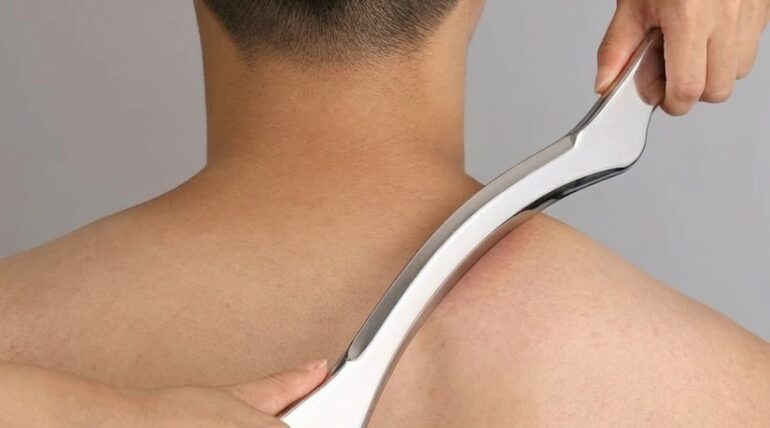
IASTM is a hands-on physiotherapy technique in which a trained physiotherapist uses specialised tools, often made of stainless steel or other smooth materials, to apply controlled pressure and movement over the skin.
These instruments help the therapist assess areas of soft tissue sensitivity, tightness or restricted movement. Treatment is tailored to the individual’s condition, comfort level and rehabilitation goals.
IASTM may be considered for selected muscle, tendon and other soft tissue complaints. It is not a standalone solution for every type of pain or injury.
How Does IASTM Work?
During an IASTM session, the physiotherapist applies a suitable lubricant to the treatment area and gently moves the instrument across the skin.
The therapist may use different strokes, directions and levels of pressure depending on the area being treated and the patient’s tolerance.
The technique is intended to provide mechanical stimulation to the targeted soft tissues. It may help some patients manage discomfort and improve movement when combined with an appropriate rehabilitation programme.
The treatment should never be excessively painful. Pressure and technique should be adjusted according to the patient’s response.
Benefits of IASTM in Physiotherapy
When clinically appropriate, IASTM may offer several potential benefits:
Improved mobility: May help address soft tissue restrictions that affect comfortable movement.
Reduced muscle tightness: Can be used as part of a treatment plan for selected areas of muscle tension.
Support for rehabilitation: May complement exercise-based recovery after certain soft tissue injuries.
Movement and flexibility: May help some individuals move more comfortably when combined with stretching and strengthening.
Targeted treatment: Allows the physiotherapist to focus on specific areas based on assessment findings.
Results vary between individuals, and research on IASTM is mixed. It should be used as one component of a broader, evidence-informed physiotherapy programme.
Conditions Where IASTM May Be Considered
A physiotherapist may consider IASTM as part of treatment for selected soft tissue complaints, including:
1. Muscle Tightness and Stiffness
People experiencing muscle tightness after physical activity or prolonged periods in one position may benefit from a personalised combination of manual techniques and exercise.
2. Sports-Related Soft Tissue Injuries
IASTM may be included in rehabilitation for certain sports-related muscle and tendon complaints, depending on the injury and stage of recovery.
3. Tendon-Related Problems
In selected cases, it may complement a progressive strengthening programme for tendon-related conditions. Exercise and load management remain important parts of rehabilitation.
4. Restricted Movement
When soft tissue discomfort or stiffness affects movement, a physiotherapist may use IASTM alongside mobility exercises and functional training.
What Happens During an IASTM Session?
An IASTM session generally involves the following steps:
Initial assessment: The physiotherapist reviews your symptoms, medical history and movement limitations.
Treatment planning: The therapist identifies whether IASTM is suitable for your condition.
Instrument application: A specialised tool is moved over the selected area using controlled pressure.
Movement exercises: Appropriate mobility, stretching or strengthening exercises may follow.
Progress review: Your response is assessed and the treatment plan is adjusted when necessary.
The number of sessions depends on your condition, recovery progress and individual treatment goals.
Is IASTM Safe?
IASTM is generally well tolerated when performed by a trained professional on an appropriate patient. However, temporary redness, tenderness or bruising can occur.
It may not be suitable for people with certain skin conditions, open wounds, active infections, suspected blood clots, significant bleeding disorders or other medical concerns. A physiotherapist should review relevant health conditions and medications before treatment.
Severe pain, extensive bruising or worsening symptoms should not be considered a normal treatment goal. Always communicate discomfort during a session.
IASTM vs Traditional Massage: What Is the Difference?
Both IASTM and massage are manual approaches used in physiotherapy, but they involve different techniques.
Traditional massage primarily uses the therapist’s hands to apply pressure and manipulate soft tissues. IASTM uses specialised instruments to deliver controlled contact over selected areas.
The choice depends on the patient’s condition, assessment findings, preferences and rehabilitation goals. Neither technique is automatically better for every patient.
IASTM at Alpine Physiotherapy, Noida
At Alpine Physiotherapy, the focus of physiotherapy and rehabilitation is to understand each patient’s movement difficulties and recovery goals before planning treatment.
If you are experiencing muscle tightness, restricted movement or a soft tissue-related problem, a physiotherapy assessment can help determine which treatment approaches may be appropriate. IASTM, where suitable, can be considered alongside therapeutic exercise and other rehabilitation methods.
The aim is to support comfortable movement, improve physical function and help patients return to their everyday activities.
Frequently Asked Questions
1. Is IASTM painful?
IASTM may cause mild pressure or temporary sensitivity, but treatment should remain tolerable. Excessive pain is not necessary.
2. How many IASTM sessions are required?
The number varies depending on the condition, symptoms and response to rehabilitation. Your physiotherapist can recommend a suitable plan after assessment.
3. Can IASTM help with sports injuries?
It may be used as a complementary technique for selected sports-related soft tissue problems. A complete rehabilitation plan usually includes appropriate exercises and gradual return to activity.
4. Can IASTM cause bruising?
Temporary redness or bruising can occur. Significant bruising is not a treatment objective and should be discussed with your physiotherapist.
5. Is IASTM suitable for everyone?
No. Certain medical conditions, skin problems and medications may make the technique unsuitable. A professional assessment is important before treatment.
Conclusion
Instrument-Assisted Soft Tissue Mobilisation is one of several manual techniques used in physiotherapy to address selected soft tissue complaints. When appropriately applied and combined with exercise-based rehabilitation, it may help some individuals improve comfort and movement.
The right treatment depends on an accurate assessment and an individualised recovery plan.
Alpine Physiotherapy — No More Pain, Smile Again.
