

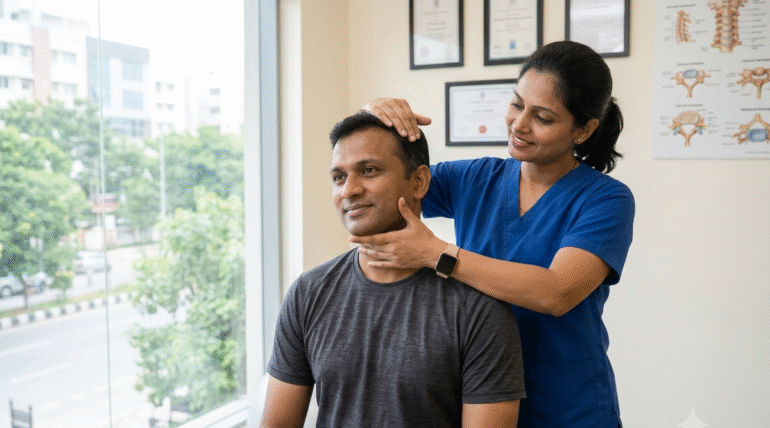
Back and Neck Pain Management: Causes, Symptoms, Treatment and Prevention
Back and neck pain are among the most common problems affecting people of different age groups. Long working hours, poor sitting posture, prolonged screen time, lack of physical activity and everyday physical strain can gradually affect the spine and surrounding muscles. What may begin as mild stiffness or discomfort can sometimes develop into persistent pain that interferes with work, sleep and daily activities.
The good news is that the right approach to back and neck pain management can help reduce discomfort, improve mobility and support long-term spinal health. Physiotherapy plays an important role in managing these conditions through personalised treatment, therapeutic exercises and posture correction.
At Alpine Physiotherapy, the focus is on understanding each patient’s condition and creating an individualised rehabilitation plan based on their symptoms, movement limitations and recovery goals.
Understanding Back and Neck Pain
Back and neck pain can develop due to several factors, including muscle strain, poor posture, spinal conditions and repetitive movements.
Neck pain commonly affects the cervical spine, which supports the head and allows movement in different directions. Back pain may involve the upper, middle or lower back, depending on the underlying cause.
Some people experience temporary discomfort after physical activity, while others may develop recurring pain due to lifestyle habits or underlying musculoskeletal conditions.
Understanding the source of the pain is an important first step towards effective treatment.
Common Causes of Back and Neck Pain
Several everyday habits and physical conditions can contribute to spinal discomfort.
1. Poor Sitting Posture
Sitting for extended periods with a bent neck, rounded shoulders or unsupported lower back can place additional stress on the spine. This is particularly common among people who work at computers or spend several hours using mobile phones.
2. Prolonged Screen Time
Looking down at a mobile phone or working continuously on a laptop can increase strain on the neck and shoulder muscles. Over time, this may contribute to stiffness, muscle fatigue and discomfort.
3. Muscle Strain and Overuse
Lifting heavy objects incorrectly, sudden movements, repetitive activities and excessive physical exertion can strain the muscles and supporting structures of the back and neck.
Common Symptoms You Should Not Ignore
Back and neck pain can present differently depending on the affected area and underlying condition.
Common symptoms include:
-
Persistent stiffness in the neck or lower back.
-
Pain while sitting, standing or bending.
-
Difficulty turning the head or moving the shoulders.
-
Muscle tightness around the neck and upper back.
-
Pain spreading towards the shoulders, arms or legs.
-
Tingling, numbness or weakness in the arms or legs.
-
Discomfort after prolonged sitting or physical activity.
Symptoms such as progressive weakness, significant numbness or pain following a serious injury require prompt medical assessment. New bladder or bowel control problems or numbness around the groin or saddle area require emergency medical attention.
How Physiotherapy Helps Manage Back and Neck Pain
Physiotherapy focuses on improving movement, reducing physical limitations and helping patients return to their everyday activities.
A physiotherapist first evaluates posture, joint mobility, muscle strength, flexibility and movement patterns. Based on the assessment, a suitable treatment programme is developed.
Common physiotherapy approaches include:
1. Manual Therapy
Manual therapy involves specialised hands-on techniques to address joint stiffness, muscle tightness and movement restrictions. The techniques are selected according to the patient’s condition and tolerance.
2. Therapeutic Exercises
Targeted exercises help improve muscle strength, flexibility and spinal support. Depending on the condition, the programme may include neck mobility exercises, back strengthening and core stability training.
3. Posture Correction
Posture education helps patients understand how their daily habits affect the spine. Learning proper sitting, standing and lifting techniques can help reduce unnecessary physical strain.
4. Pain Management Techniques
Depending on the assessment, physiotherapy may include appropriate therapeutic modalities alongside exercise and movement-based rehabilitation to support symptom management.
5. Personalised Rehabilitation
Every patient has different needs. A personalised rehabilitation programme considers pain levels, physical abilities, lifestyle and recovery goals to support gradual improvement.
Simple Exercises and Daily Habits for a Healthy Spine
Along with professional physiotherapy, certain lifestyle habits can support better spinal health.
-
Take regular movement breaks: Avoid remaining in one position for extended periods.
-
Maintain a comfortable sitting posture: Keep your back supported and your screen at eye level.
-
Stay physically active: Walking and appropriate strengthening exercises can support overall mobility.
-
Avoid improper lifting: Bend your hips and knees when lifting objects instead of placing excessive strain on your back.
-
Choose a comfortable sleeping position: Use suitable pillow support to maintain a comfortable neck position.
-
Follow professional guidance: Choose exercises according to your condition rather than performing random online routines.
Remember that an exercise suitable for one person may not be appropriate for another, particularly when nerve symptoms or spinal conditions are involved.
When Should You Visit a Physiotherapist?
You should consider professional assessment if back or neck pain:
-
Continues for several days or keeps returning.
-
Interferes with your work or everyday activities.
-
Causes difficulty with normal movement.
-
Is associated with stiffness or reduced flexibility.
-
Develops after repetitive physical activity.
-
Affects your sleep or quality of life.
Early assessment can help identify movement-related problems and determine whether physiotherapy or further medical evaluation is appropriate.
Back and Neck Pain Management at Alpine Physiotherapy, Noida
Living with recurring back or neck pain can affect your comfort, productivity and daily routine. Getting the right guidance can make an important difference in understanding your condition and managing your symptoms.
At Alpine Physiotherapy, treatment begins with an individual assessment to understand the possible causes of discomfort and identify suitable rehabilitation approaches. The focus is on personalised physiotherapy, therapeutic exercises, posture education and improving functional movement.
Whether you are experiencing lower back discomfort, neck stiffness, posture-related pain or movement difficulties, professional guidance can help you work towards better mobility and physical function.
If back or neck pain is affecting your everyday life, consider consulting a qualified physiotherapist for an appropriate assessment and treatment plan.
Take the first step towards better movement and a healthier spine with Alpine Physiotherapy.
Alpine Physiotherapy — No More Pain, Smile Again.

Moving the goalposts sorry i was triple muted, so what do you feel you would bring to the table if you were hired for this position. A better understanding
Neque porro est qui dolorem ipsum quia quaed inventor veritatis et quasi architecto beatae vitae dicta sunt explicabo. Aelltes port lacus quis enim var