

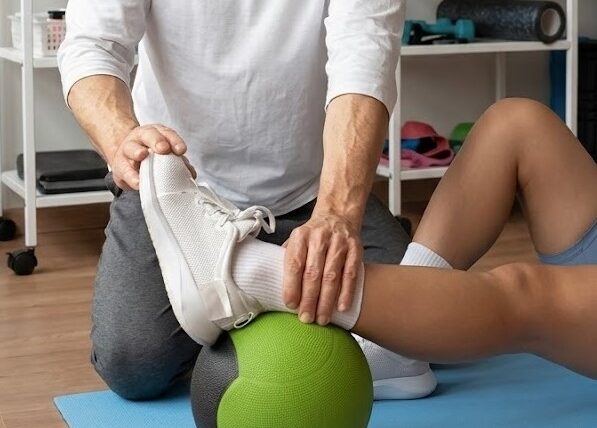
Sports Injury Rehabilitation: Treatment, Recovery and Prevention
Sports and physical activities are excellent for maintaining fitness, strength and overall health. However, sudden movements, excessive training, improper techniques and inadequate recovery can sometimes lead to sports injuries. Whether you are a professional athlete, a gym enthusiast or someone who enjoys playing cricket, football, badminton or running, an injury can affect your ability to stay active.
Sports injury rehabilitation plays an important role in helping individuals recover safely, regain strength and return to their favourite activities. With the right physiotherapy treatment and a structured recovery programme, many people can improve their movement, reduce discomfort and rebuild confidence.
At Alpine Physiotherapy, the focus is on personalised sports injury rehabilitation based on each patient’s injury, physical condition and recovery goals.
What Is Sports Injury Rehabilitation?
Sports injury rehabilitation is a structured treatment process designed to help people recover from injuries caused by sports, exercise or physical activities.
The rehabilitation process focuses on restoring joint mobility, improving muscle strength, rebuilding flexibility and developing better movement control. It also helps individuals prepare their bodies for the physical demands of their chosen sport.
A physiotherapist assesses the affected area, identifies movement limitations and develops an appropriate treatment plan to support recovery.
Common Sports Injuries That Require Physiotherapy
Sports injuries can affect muscles, ligaments, tendons, joints and bones. Some of the most common injuries include:
1. Muscle Strains
Muscle strains occur when muscle fibres are overstretched or damaged, often during sprinting, jumping or sudden changes in direction. They commonly affect the hamstrings, calf muscles and lower back.
2. Ligament Injuries
Ligaments connect bones and help stabilise joints. Injuries such as ankle sprains and ACL tears can occur during twisting movements, sudden stops or awkward landings.
3. Knee Injuries
Knee pain is common among runners, football players and gym enthusiasts. Conditions such as ligament injuries, meniscus injuries and patellofemoral pain can affect movement, stability and performance.
4. Shoulder Injuries
Repetitive overhead movements in sports such as badminton, swimming and cricket can contribute to shoulder problems. Rotator cuff injuries and shoulder instability may cause pain and restricted movement.
5. Tendon Injuries
Repeated physical stress can irritate or damage tendons. Achilles tendinopathy and tennis elbow are examples that may cause discomfort during exercise and everyday activities.
6. Ankle Injuries
Ankle sprains are common in sports involving jumping, running and rapid changes in direction. Without appropriate rehabilitation, some people may experience recurring ankle instability.
Common Signs and Symptoms of Sports Injuries
Recognising an injury early can help prevent further complications and support timely treatment.
Common symptoms include:
-
Pain during or after physical activity.
-
Swelling around the affected joint or muscle.
-
Muscle stiffness and reduced flexibility.
-
Difficulty running, jumping or walking.
-
Joint instability or a feeling of weakness.
-
Reduced range of motion.
-
Tenderness around the injured area.
-
Difficulty returning to normal sports activities.
Severe pain, significant swelling, visible deformity, inability to bear weight or suspected fracture requires prompt medical assessment.
How Physiotherapy Helps in Sports Injury Rehabilitation
Physiotherapy is an important part of sports injury recovery. It focuses on addressing physical limitations, restoring functional movement and preparing the body for a gradual return to activity.
The treatment approach depends on the type and severity of the injury.
1. Initial Injury Assessment
The rehabilitation process begins with an assessment of the injured area, pain levels, joint movement, muscle strength and functional limitations.
This helps the physiotherapist understand the injury and determine suitable rehabilitation goals.
2. Pain and Swelling Management
During the early stages of recovery, appropriate treatment may focus on managing pain and swelling. Depending on the injury, this may include activity modification and suitable physiotherapy techniques.
3. Mobility and Flexibility Exercises
Gentle, progressive exercises help restore joint movement and muscle flexibility. These exercises are selected according to the stage of healing and the patient’s tolerance.
4. Strengthening Exercises
Strengthening the muscles surrounding an injured joint helps improve support, stability and functional performance. Exercises may include resistance training, balance work and controlled strengthening movements.
5. Balance and Coordination Training
Sports often require quick reactions, controlled movements and good balance. Rehabilitation exercises help improve coordination and joint control, particularly after ankle and knee injuries.
6. Sport-Specific Rehabilitation
Before returning to sports, individuals may need to practise movements related to their particular activity. These may include running, jumping, landing, changing direction and controlled acceleration.
The difficulty of these activities is increased gradually according to recovery progress.
Stages of Sports Injury Recovery
Recovery is different for every individual, but sports injury rehabilitation generally follows a progressive approach.
Stage 1: Initial Recovery
The focus is on protecting the injured area, managing symptoms and avoiding activities that may worsen the injury.
Stage 2: Restoring Movement
Once appropriate, gentle mobility and flexibility exercises are introduced to improve joint movement and reduce stiffness.
Stage 3: Strength and Stability
Progressive strengthening, balance and coordination exercises help rebuild physical capacity and joint stability.
Stage 4: Functional Training
More demanding exercises are introduced to prepare the individual for everyday activities and sports-related movements.
Stage 5: Return to Sport
A gradual return to training and competition is considered when the individual meets appropriate strength, mobility, functional and sport-specific criteria.
Returning to sports too early may increase the risk of reinjury, so recovery should be guided by clinical assessment rather than time alone.
Tips to Prevent Sports Injuries
Although not every sports injury can be prevented, healthy training habits can help reduce the risk.
-
Warm up properly: Prepare your muscles and joints before intense physical activity.
-
Improve your technique: Use appropriate movement patterns when running, lifting or playing sports.
-
Increase training gradually: Avoid sudden increases in exercise intensity or duration.
-
Build muscle strength: Strengthening exercises can improve joint support and physical performance.
-
Allow adequate recovery: Give your body enough time to recover between demanding training sessions.
-
Wear suitable footwear: Choose shoes appropriate for your sport and activity.
-
Listen to your body: Do not ignore persistent pain, unusual swelling or recurring discomfort.
When Should You Consult a Sports Physiotherapist?
You should consider consulting a qualified physiotherapist if you experience:
-
Persistent pain after sports or exercise.
-
Repeated muscle strains or joint sprains.
-
Knee, ankle or shoulder discomfort during activity.
-
Reduced strength or flexibility after an injury.
-
Difficulty returning to your previous fitness level.
-
Fear or lack of confidence when performing sports movements.
A professional assessment can help identify your rehabilitation needs and determine whether additional medical evaluation is necessary.
Sports Injury Rehabilitation at Alpine Physiotherapy, Noida
A sports injury can interrupt your training routine, affect your performance and make even simple movements uncomfortable. Proper rehabilitation is important not only for recovering from the current injury but also for preparing your body for future physical activities.
At Alpine Physiotherapy, Noida, the approach to sports injury rehabilitation focuses on individual assessment, personalised exercise programmes, strength development, mobility training and functional recovery.
Whether you are recovering from a knee injury, ankle sprain, muscle strain or shoulder problem, the rehabilitation programme is planned according to your condition and physical goals.
The aim is to help you regain movement, rebuild strength and gradually return to the activities you enjoy with greater confidence.
Don’t let an injury keep you away from an active lifestyle. Consult Alpine Physiotherapy for professional guidance and a personalised sports injury rehabilitation programme.
Alpine Physiotherapy — No More Pain, Smile Again.

Moving the goalposts sorry i was triple muted, so what do you feel you would bring to the table if you were hired for this position. A better understanding
Neque porro est qui dolorem ipsum quia quaed inventor veritatis et quasi architecto beatae vitae dicta sunt explicabo. Aelltes port lacus quis enim var