

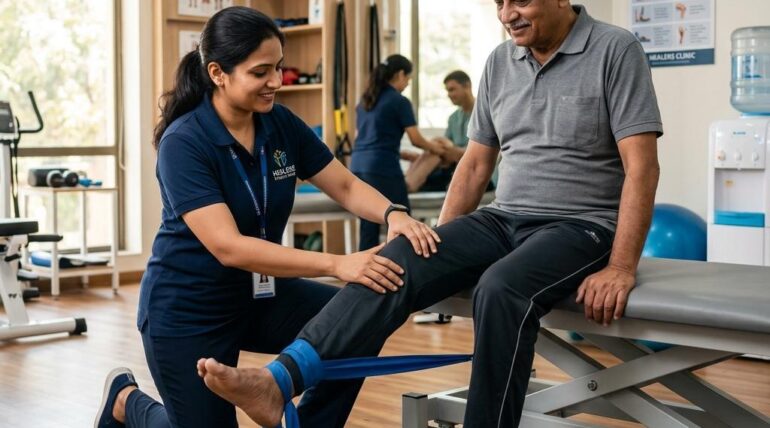
Knee and Shoulder Rehabilitation: Causes, Treatment, Exercises and Recovery
Knee and shoulder problems can make even simple daily activities difficult. Walking, climbing stairs, lifting objects, reaching overhead or exercising may become uncomfortable when these joints are affected by pain, stiffness or weakness.
Whether the problem develops due to an injury, repetitive movements, sports activities, age-related changes or surgery, proper rehabilitation can play an important role in restoring movement and improving physical function.
Knee and shoulder rehabilitation focuses on reducing movement limitations, rebuilding muscle strength, improving joint stability and helping individuals return to their everyday routines. With the right physiotherapy guidance, patients can work towards better mobility and long-term joint health.
At Alpine Physiotherapy, rehabilitation programmes are planned according to each patient’s condition, physical abilities and recovery goals.
Understanding Knee and Shoulder Problems
The knee and shoulder are two important joints that support different types of movement.
The knee helps support body weight during walking, running, sitting and climbing stairs. The shoulder allows a wide range of arm movements, including lifting, reaching, pushing and pulling.
Because both joints are involved in everyday activities, injuries or movement problems can significantly affect quality of life.
Knee conditions may involve cartilage, ligaments, tendons or surrounding muscles, while shoulder problems may affect the rotator cuff, joint structures and supporting soft tissues.
Identifying the underlying cause is an important part of planning effective rehabilitation.
Common Causes of Knee Pain
Knee pain can develop gradually or occur suddenly following an injury.
Some common causes include:
1. Ligament Injuries
Ligament injuries, including ACL and MCL injuries, may occur during sports, sudden twisting movements or awkward landings. They can affect knee stability and make walking or physical activity difficult.
2. Meniscus Injuries
The meniscus is cartilage that helps cushion the knee joint. A tear may cause pain, swelling, stiffness and difficulty bending or straightening the knee.
3. Osteoarthritis
Knee osteoarthritis involves changes in the joint cartilage and surrounding structures. It may cause pain, stiffness and reduced mobility, particularly during walking or climbing stairs.
4. Patellofemoral Pain
Pain around or behind the kneecap can develop due to changes in movement patterns, training load or muscle function. It is commonly experienced during activities such as squatting, running and climbing stairs.
5. Muscle Weakness and Imbalance
Weakness in the quadriceps, hamstrings and hip muscles may affect lower-limb movement and contribute to difficulty performing certain activities.
Common Causes of Shoulder Pain
Shoulder pain can affect people of different ages, particularly those involved in repetitive overhead activities or physically demanding work.
1. Rotator Cuff Injuries
The rotator cuff is a group of muscles and tendons that helps stabilise the shoulder and control arm movement. Irritation or injury may cause pain while lifting or reaching overhead.
2. Frozen Shoulder
Frozen shoulder, also known as adhesive capsulitis, causes pain and progressive stiffness in the shoulder joint. It can make activities such as dressing, combing hair and reaching behind the back difficult.
3. Shoulder Impingement-Related Pain
Some people experience shoulder pain during overhead movements due to irritation of the structures around the shoulder. A suitable rehabilitation programme can help improve movement and shoulder function.
4. Shoulder Instability
Shoulder instability may occur when the joint does not remain properly supported during movement. It can develop following dislocation, injury or repetitive strain.
5. Tendon Problems
Repeated shoulder movements during sports, exercise or work may contribute to tendon irritation and discomfort.
Signs and Symptoms You Should Not Ignore
Knee and shoulder conditions can produce different symptoms depending on the affected structures.
Common knee symptoms include:
Pain while walking, running or climbing stairs.
Swelling around the knee joint.
Stiffness after sitting for long periods.
Difficulty bending or straightening the knee.
Feeling of instability or weakness.
Discomfort during squatting or standing up.
Common shoulder symptoms include:
Pain while lifting the arm.
Difficulty reaching overhead.
Shoulder stiffness and restricted movement.
Pain while sleeping on the affected side.
Weakness when lifting or carrying objects.
Difficulty dressing or performing daily activities.
Sudden severe pain, visible deformity, inability to bear weight or move the arm following an injury requires prompt medical assessment.
How Physiotherapy Helps with Knee and Shoulder Rehabilitation
Physiotherapy focuses on improving joint movement, strengthening supporting muscles and restoring functional abilities.
The rehabilitation process generally begins with an assessment of pain, joint mobility, muscle strength, flexibility and movement patterns.
Based on the findings, a personalised treatment programme is developed.
1. Pain Management
Appropriate physiotherapy techniques and activity modification may help manage discomfort and support the recovery process.
2. Mobility and Flexibility Exercises
Gentle and progressive exercises help improve joint movement and reduce stiffness. The exercises are selected according to the patient’s condition and tolerance.
3. Muscle Strengthening
Strengthening exercises help improve support around the affected joint.
For knee rehabilitation, the programme may include quadriceps, hamstring and hip strengthening. Shoulder rehabilitation may focus on rotator cuff and shoulder blade muscles.
4. Balance and Stability Training
Balance and coordination exercises can improve lower-limb control and joint stability, particularly during walking and sports activities.
5. Functional Movement Training
Patients practise movements that are important in everyday life, such as walking, squatting, reaching, lifting and climbing stairs.
6. Personalised Rehabilitation
Every injury and recovery journey is different. Exercise intensity and treatment techniques are adjusted according to progress, physical abilities and rehabilitation goals.
Effective Exercises for Knee and Shoulder Rehabilitation
Exercises are an important part of joint rehabilitation. However, the right exercises depend on the underlying condition and stage of recovery.
Common knee rehabilitation exercises may include:
Quadriceps strengthening exercises.
Straight leg raises.
Hamstring strengthening.
Supported squats.
Heel slides.
Balance and stability exercises.
Common shoulder rehabilitation exercises may include:
Pendulum exercises.
Shoulder mobility exercises.
Gentle external rotation exercises.
Resistance band strengthening.
Shoulder blade control exercises.
Wall-assisted arm movements.
Not every exercise is suitable for every patient. People recovering from surgery or significant injuries should follow their physiotherapist’s instructions before starting an exercise programme.
Tips to Maintain Healthy Knee and Shoulder Joints
Healthy movement habits can help support joint function and reduce unnecessary physical strain.
Stay physically active: Regular movement helps maintain strength and mobility.
Strengthen supporting muscles: Appropriate exercises improve joint support.
Avoid sudden increases in activity: Gradually increase exercise intensity and duration.
Maintain a comfortable body weight: This can help reduce additional loading on the knee joints.
Use proper exercise techniques: Correct movement patterns can help avoid unnecessary strain.
Allow adequate recovery: Give your muscles and joints time to recover after demanding activities.
Do not ignore persistent pain: Seek professional assessment if discomfort continues or affects daily activities.
When Should You Visit a Physiotherapist?
You should consider professional physiotherapy assessment if you experience:
Persistent knee or shoulder pain.
Reduced joint flexibility or movement.
Difficulty walking, lifting or reaching.
Repeated sports-related injuries.
Muscle weakness around the affected joint.
Pain that interferes with sleep or daily activities.
Difficulty recovering after orthopaedic surgery.
Early assessment can help identify the cause of movement limitations and determine an appropriate rehabilitation approach.
Knee and Shoulder Rehabilitation at Alpine Physiotherapy, Noida
Knee and shoulder problems can affect your independence, physical activity and everyday comfort. Getting the right rehabilitation guidance can help you understand your condition and work towards better joint function.
At Alpine Physiotherapy, Noida, the focus is on personalised knee and shoulder rehabilitation through individual assessment, therapeutic exercises, mobility training, muscle strengthening and functional movement training.
Whether you are dealing with knee pain, ligament injuries, frozen shoulder, rotator cuff problems, sports injuries or post-surgical stiffness, your treatment programme should be designed around your individual needs and recovery goals.
The aim is to help you improve mobility, develop strength and gradually return to your regular activities with greater confidence.
Take care of your joints and keep moving. Consult Alpine Physiotherapy for professional knee and shoulder rehabilitation in Noida.
Alpine Physiotherapy — No More Pain, Smile Again.

Moving the goalposts sorry i was triple muted, so what do you feel you would bring to the table if you were hired for this position. A better understanding
Neque porro est qui dolorem ipsum quia quaed inventor veritatis et quasi architecto beatae vitae dicta sunt explicabo. Aelltes port lacus quis enim var