

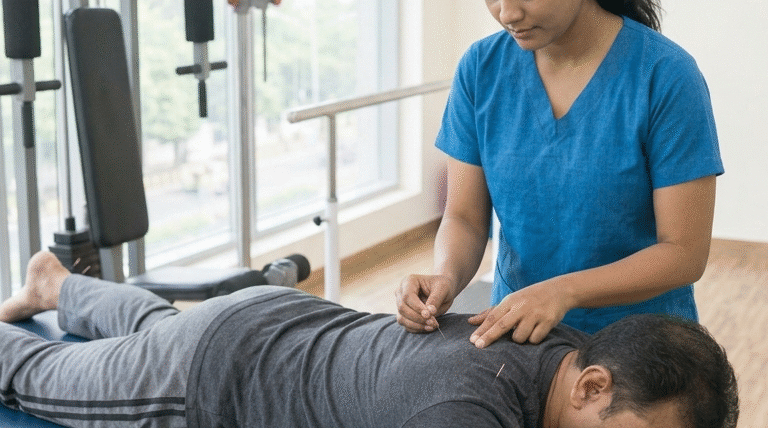
Manual Therapy: Benefits, Techniques, Treatment and How It Helps Relieve Pain
Muscle stiffness, joint discomfort and restricted movement can affect everyday activities, making even simple tasks such as walking, bending, lifting or turning your neck uncomfortable. These problems may develop due to poor posture, injuries, repetitive movements, muscle tension or certain musculoskeletal conditions.
Manual therapy is one of the treatment approaches used in physiotherapy to address joint stiffness, improve mobility and manage musculoskeletal pain. It involves specialised hands-on techniques performed by a trained physiotherapist to help improve movement and physical function.
Whether you are experiencing back pain, neck stiffness, shoulder discomfort or joint restrictions, manual therapy may be included in a personalised physiotherapy programme based on your condition and treatment goals.
At Alpine Physiotherapy, the focus is on understanding each patient’s condition and selecting appropriate treatment techniques to support comfortable movement and functional recovery.
What Is Manual Therapy?
Manual therapy is a specialised physiotherapy approach that involves hands-on techniques to assess and treat problems affecting muscles, joints and surrounding soft tissues.
A physiotherapist uses controlled movements, pressure and specific manual techniques to address movement restrictions, muscle tightness and joint stiffness.
Unlike exercise-based rehabilitation, which focuses primarily on active movement and strengthening, manual therapy involves direct treatment provided by the physiotherapist.
It is often combined with therapeutic exercises, posture correction and movement training to support longer-lasting improvements in physical function.
Common Manual Therapy Techniques Used in Physiotherapy
Manual therapy includes different techniques depending on the patient’s symptoms, physical condition and treatment requirements.
1. Joint Mobilisation
Joint mobilisation involves gentle, controlled movements applied to a joint to help improve mobility and reduce stiffness.
It may be used for conditions affecting the neck, back, shoulder, hip, knee and ankle.
2. Soft Tissue Mobilisation
Soft tissue mobilisation focuses on muscles, tendons and other surrounding tissues. It involves specific hands-on techniques to address muscle tightness and improve comfortable movement.
3. Myofascial Release
Myofascial release involves applying controlled pressure to areas of soft tissue restriction. It may be used as part of treatment for muscle tightness and movement-related discomfort.
4. Therapeutic Massage
Therapeutic massage uses different manual techniques to address muscle tension, promote relaxation and support comfort.
5. Joint Manipulation
Joint manipulation involves a controlled, specific movement applied to a joint, sometimes using a quick, small-amplitude technique. It requires appropriate clinical assessment and should only be performed by a suitably trained professional when indicated.
6. Manual Stretching
Manual stretching involves guided movements to improve flexibility and address restrictions in muscles and surrounding tissues.
Benefits of Manual Therapy
When appropriately selected, manual therapy can be a useful part of physiotherapy treatment.
Some potential benefits include:
Improved joint mobility: Helps address certain movement restrictions and stiffness.
Reduced discomfort: May provide short-term relief from some types of musculoskeletal pain.
Better flexibility: Can support comfortable movement of muscles and surrounding tissues.
Reduced muscle tension: Hands-on techniques may help ease muscle tightness.
Improved functional movement: Can make certain everyday movements more comfortable.
Support for rehabilitation: May help patients participate more comfortably in exercise-based recovery programmes.
The results vary depending on the underlying condition, treatment approach and individual response. Manual therapy is generally most effective when used alongside active rehabilitation rather than as a standalone treatment.
Conditions That May Benefit from Manual Therapy
Manual therapy may be considered for selected musculoskeletal conditions, depending on an individual’s assessment.
1. Back Pain
People experiencing certain types of lower back discomfort may benefit from manual therapy combined with strengthening exercises and movement education.
2. Neck Pain
Manual techniques may help address neck stiffness, muscle tension and restricted cervical movement in appropriate cases.
3. Shoulder Pain
Patients with selected shoulder conditions may receive manual therapy to help improve mobility and support functional movement.
4. Knee Pain
Manual therapy may be included in rehabilitation for certain knee conditions to address joint stiffness and movement limitations.
5. Sports Injuries
Athletes recovering from selected muscle and joint injuries may benefit from manual techniques as part of a broader rehabilitation programme.
6. Joint Stiffness
People experiencing restricted movement in different joints may benefit from appropriately selected mobilisation and soft tissue techniques.
Manual Therapy vs Exercise-Based Physiotherapy
Both manual therapy and therapeutic exercises have important roles in physiotherapy, but they serve different purposes.
Manual therapy involves hands-on techniques performed by the physiotherapist to address selected joint and soft tissue restrictions.
Exercise-based physiotherapy involves active movements designed to improve muscle strength, flexibility, balance, coordination and functional ability.
Combining both approaches may help patients achieve better movement and functional improvements.
For example, someone with shoulder stiffness may receive appropriate manual techniques to improve comfortable movement, followed by strengthening and mobility exercises to develop better shoulder function.
What Happens During a Manual Therapy Session?
A manual therapy session generally begins with a detailed assessment to understand the patient’s symptoms and physical limitations.
The physiotherapist may evaluate:
Pain location and intensity.
Joint movement and flexibility.
Muscle strength and tension.
Posture and movement patterns.
Previous injuries and medical history.
Based on the findings, suitable hands-on techniques may be selected.
During treatment, the physiotherapist monitors the patient’s comfort and response. Exercises or movement guidance may also be included to support recovery.
The number of sessions depends on the patient’s condition, progress and overall rehabilitation plan.
Is Manual Therapy Safe?
Manual therapy is generally considered appropriate for many musculoskeletal conditions when performed by a trained physiotherapist following a proper assessment.
However, it is not suitable for every patient or every condition.
People with certain fractures, acute injuries, severe osteoporosis, suspected blood clots, infections or other serious medical conditions may require additional medical evaluation or alternative treatment approaches.
High-velocity techniques involving the neck require particular caution and careful clinical screening.
Always inform your physiotherapist about existing medical conditions, previous surgeries and any unusual symptoms before treatment.
When Should You Consult a Physiotherapist?
You may consider a physiotherapy assessment if you experience:
Persistent muscle or joint stiffness.
Difficulty moving your neck, back or shoulders.
Pain during everyday activities.
Restricted joint movement.
Muscle tightness following physical activity.
Recurring musculoskeletal discomfort.
Difficulty returning to normal activities after an injury.
A professional assessment helps determine whether manual therapy, exercise-based rehabilitation or another treatment approach is suitable.
Manual Therapy at Alpine Physiotherapy, Noida
Muscle tightness, joint stiffness and movement restrictions can affect your comfort and daily routine. The right physiotherapy approach can help you understand these problems and work towards improved physical function.
At Alpine Physiotherapy, Noida, manual therapy may be incorporated into personalised treatment programmes based on individual assessment and rehabilitation needs.
The treatment approach may include joint mobilisation, soft tissue techniques, therapeutic exercises, mobility training and posture education.
Whether you are experiencing back pain, neck stiffness, shoulder discomfort or restricted joint movement, the focus is on selecting appropriate treatment methods to support your recovery.
Take a step towards more comfortable movement. Consult Alpine Physiotherapy for professional manual therapy and personalised physiotherapy guidance in Noida.
Alpine Physiotherapy — No More Pain, Smile Again.

Moving the goalposts sorry i was triple muted, so what do you feel you would bring to the table if you were hired for this position. A better understanding
Neque porro est qui dolorem ipsum quia quaed inventor veritatis et quasi architecto beatae vitae dicta sunt explicabo. Aelltes port lacus quis enim var